
Medical components require tolerances measured in microns — even a 0.05 mm deviation can affect sensor alignment, disrupt airflow, or distort diagnostic readings.
Medical manufacturing is subject to stringent regulations including FDA and ISO 13485 standards, requiring meticulous control and full traceability.
Laser cutting with ±0.05mm precision, CNC bending with ±0.2° accuracy, and micro‑welding for thin‑walled medical enclosures and surgical consoles.
3‑axis / 4‑axis milling, CNC turning, and Swiss machining for surgical instruments, sensor housings, and implantable device components with tight tolerances.
Progressive and deep‑draw stamping for medical device frames, brackets, and housings — material thickness 0.2~6mm, draw depth up to 300mm.
Extruded aluminum heat sinks with precision‑machined fins for thermal management in diagnostic imaging, laser therapy, and power supply modules.
Medical‑grade powder coating and liquid painting with uniform thickness (deviation ≤±5μm) and surface roughness Ra≤0.2μm, meeting cleanroom requirements.
In‑house tooling design and fabrication enables rapid prototyping, design for manufacturability (DFM) analysis, and cost‑effective high‑mix production.
Certified quality management and environmental management systems, ensuring consistent, sustainable manufacturing processes.
Automotive‑grade quality management certification (2024), reflecting our commitment to the highest standards of process control and supply chain excellence.
Complete material certification, chemical composition reports, mechanical property data, and batch‑level traceability from raw material to finished product.
Stainless steel 304 / 316L, aluminum alloys 5052 / 6061, and titanium — selected for corrosion resistance, biocompatibility, and sterilization compatibility.
Electrostatic powder coating, electrophoretic painting, and electroplating (nickel, gold) — achieving uniform thickness, Ra≤0.2μm surface finish, and resistance to disinfectants.
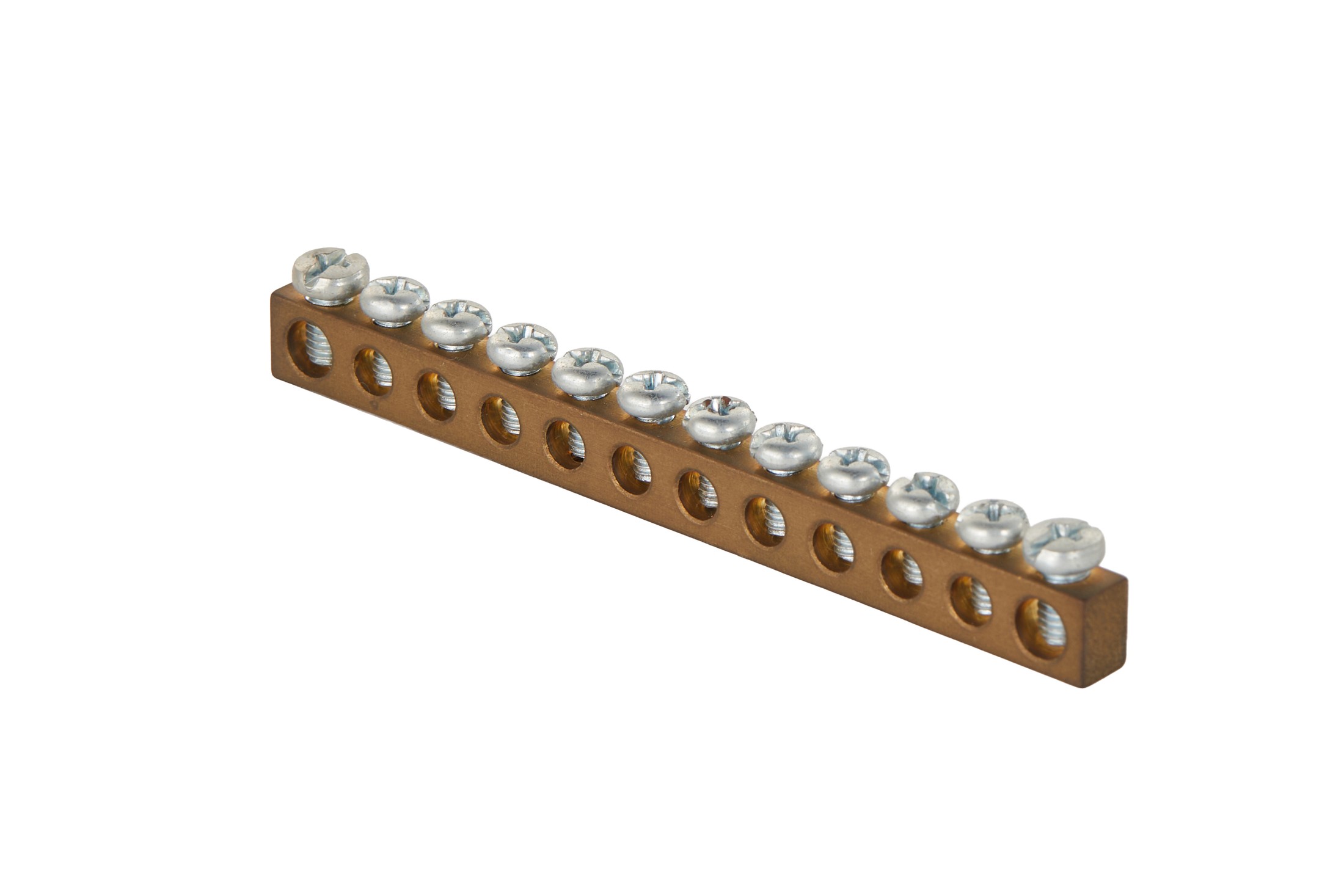
Sheet metal housing for MRI / CT scanner control unit, SECC 1.5mm, powder coated.
Learn More →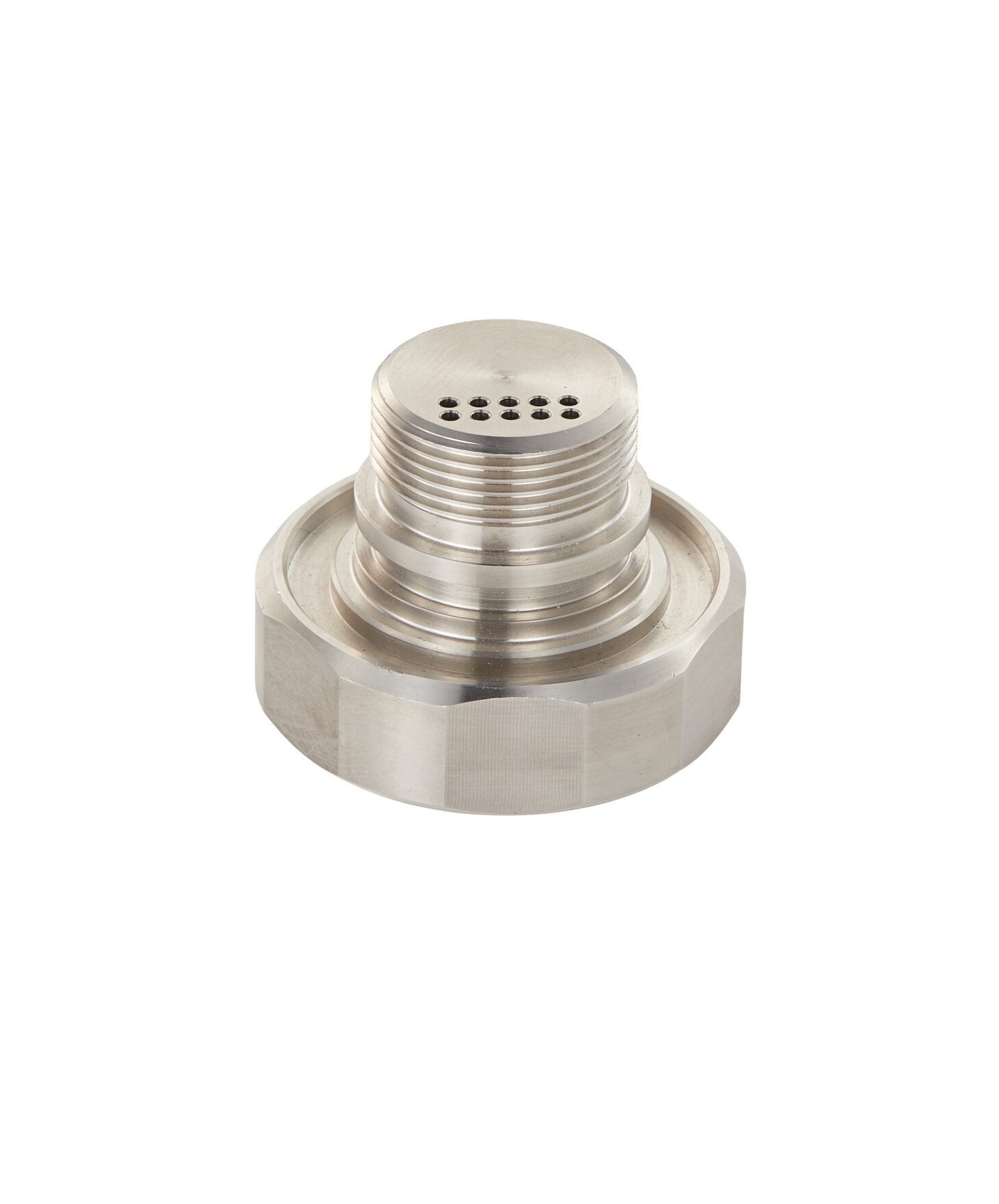
Precision stamping, SPCC 2.5mm, deep drawn, with nickel plating for sterilizability.
Learn More →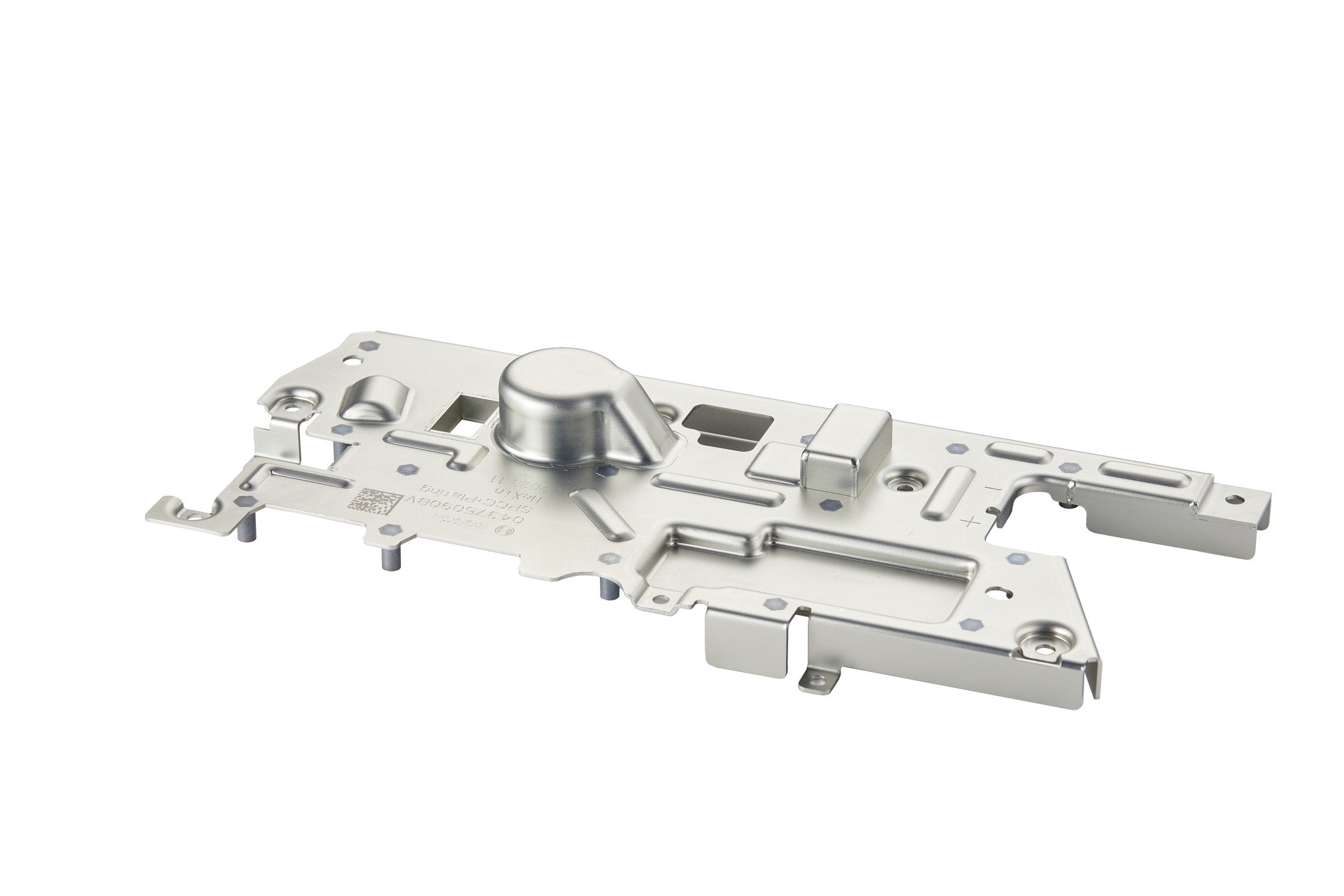
CNC machined AL6061 housing for patient monitoring sensor, 4-axis milling, anodized.
Learn More →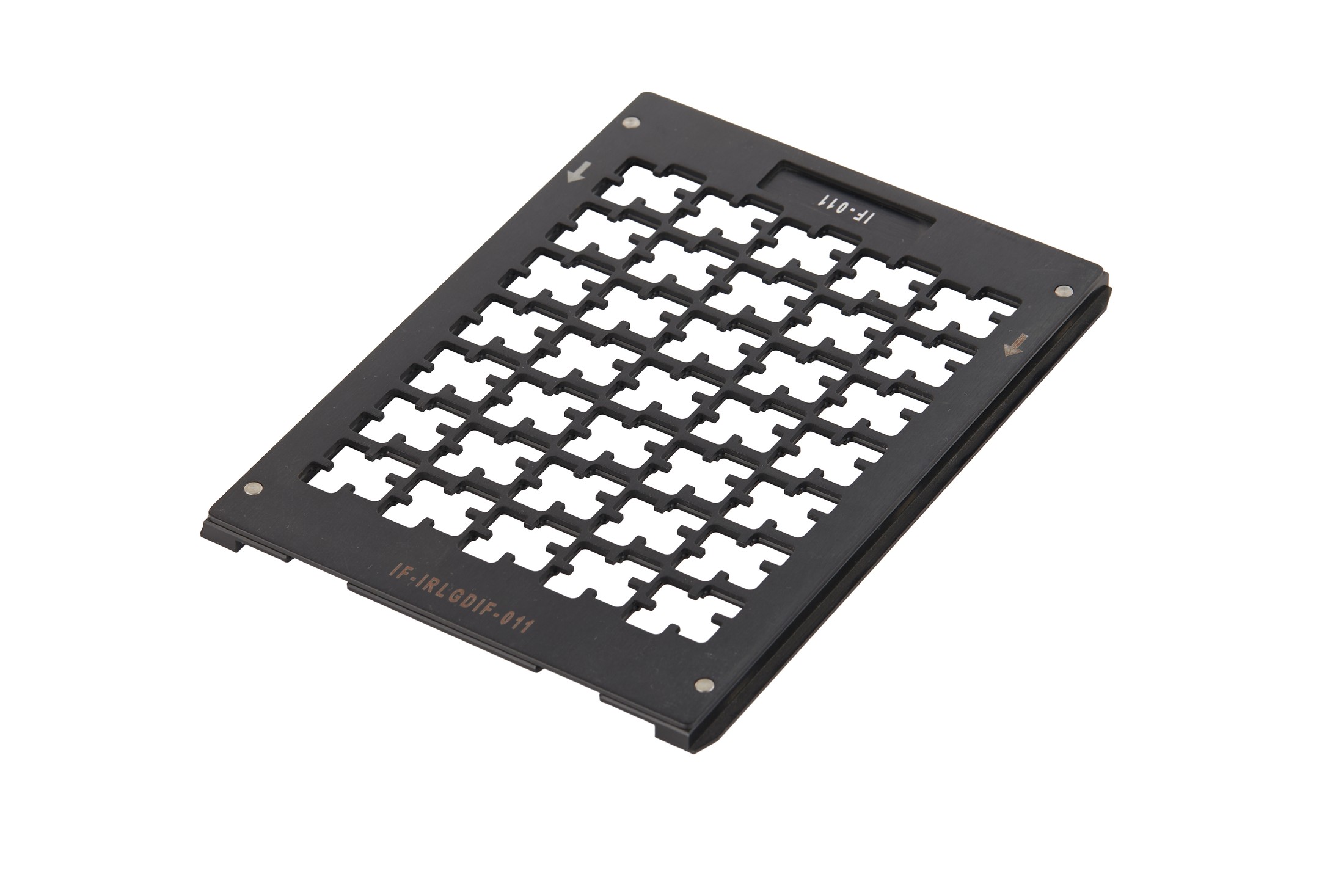
Aluminum extrusion with precision fins for medical power supplies, black anodized.
Learn More →
👆 Replace each src URL with your actual product image from WordPress Media Library — hover to zoom